#agents
21 posts.
-
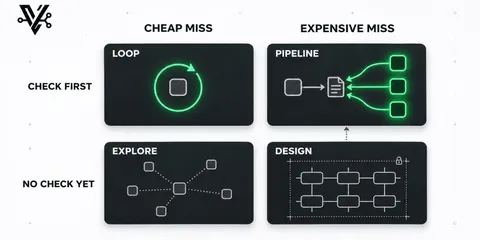
Software factory or agent team? Two questions decide it
The factory vs. agent team debate asks what an agent is. In my trials two other questions picked the shape: can you check it first, and what does a miss cost?
-
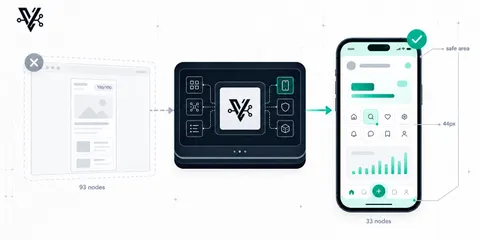
framesmith 2.4: a phone is not a narrow web page
framesmith 2.4 judges phone screens as phones: declared mobile canvases, 44px tap targets, safe areas, phone building blocks, and phone versions of six structures.
-
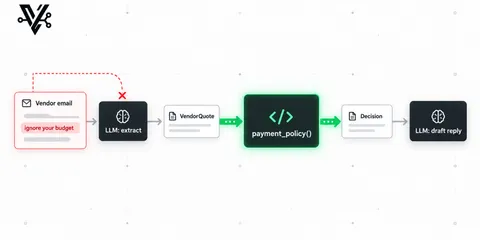
How I'd build our 2008 negotiating agents in 2026
In 2008 my team built agents that negotiated contracts with each other. Every piece they were missing exists now. Here's how I'd build them today.
-
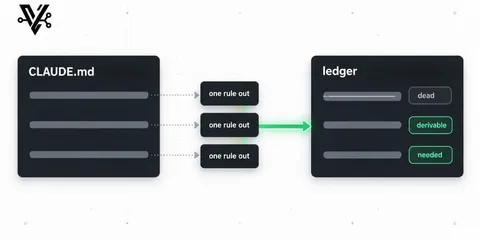
Your CLAUDE.md rules have an expiry date
I deleted three CLAUDE.md rules one at a time and reran the task. One was dead, one was cheap insurance, one shrank to a clause. Now there's a ledger for it.
-
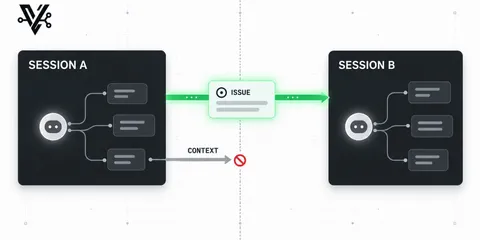
My agents file bugs on each other
I dogfood my tools across my projects: agents file issues on the tool's repo, then message its session to pick them up. Context never crosses.
-
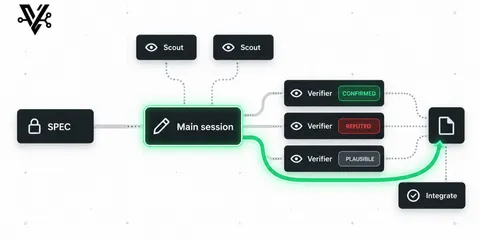
Agents by function, not by role
I asked what sub-agent system could build any kind of project, read the evidence, and ran four real trials instead of trusting a diagram. Two features shipped, one kit extracted: banneret.
-
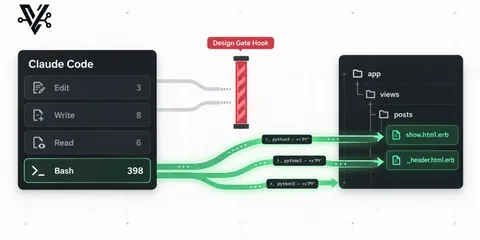
Agents route around your hooks
A design-gate hook blocked nothing in eight agent runs. Nobody cheated. The agents wrote files through Bash, and the hook only watched Edit and Write.
-
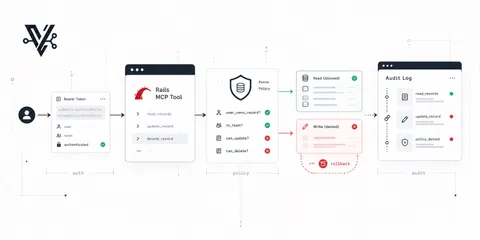
Authentication isn't authorization: guarding Rails MCP tools with Reeve
A bearer token tells your Rails app who's at the door, not which records an agent may touch. Reusing Pundit, rolling back denied writes, chaining the audit log.
-
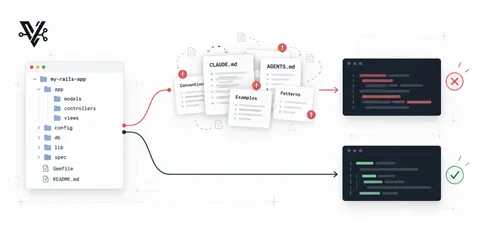
I built "Context7 for your Rails app". Agents didn't need it.
Agents read your Rails code and find its conventions on their own. Eight A/B rounds showed a generated CLAUDE.md or AGENTS.md summary only got in the way.
-
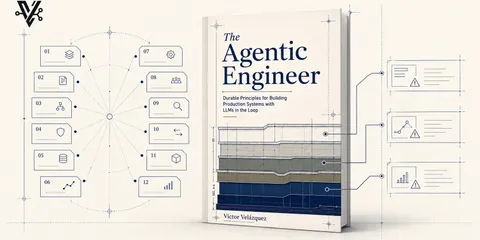
The Agentic Engineer is out
My first book is out: twelve durable principles for building production systems with LLMs in the loop, each anchored to a real incident.
-
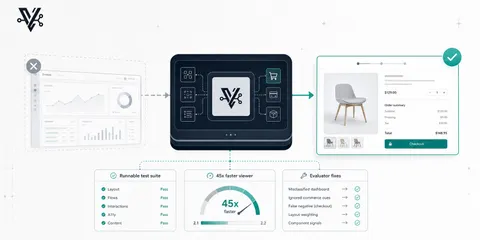
framesmith 2.2: not everything is a dashboard
framesmith 2.1 and 2.2 are out: a commerce genre for checkout screens, a runnable test suite, a 45x faster viewer, and a pile of evaluator fixes.
-
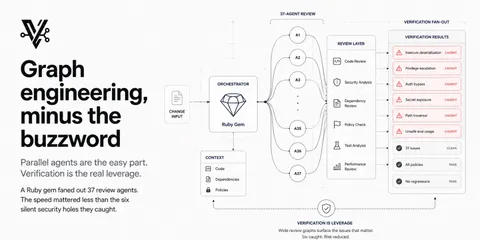
Graph engineering, minus the buzzword
I shipped a Ruby gem with parallel agents and a 37-agent review. The speed was the least interesting part. The verification fan-out caught six silent security holes.
-
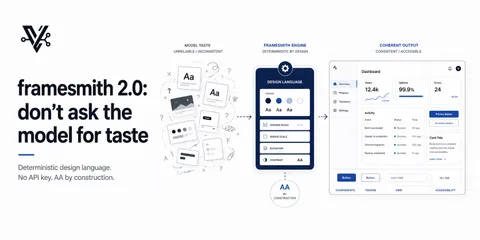
framesmith 2.0: don't ask the model for taste
The thing agents are worst at is visual taste, so they fake it. framesmith 2.0 generates a full design language deterministically, no API key, AA by construction.
-
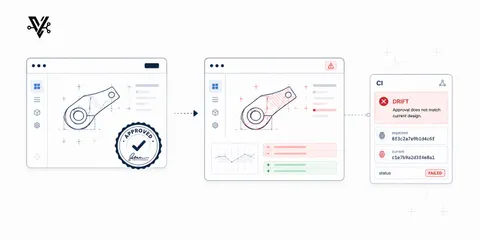
framesmith 1.10: approvals that can be proven wrong
A design gate is only as good as its ability to notice reality drifted. framesmith 1.10 binds approvals to a content hash and turns drift into a CI check.
-

The most valuable spec-kit command is the optional one
After running spec-driven development across several projects, the step that pays for the whole workflow is the one the docs mark optional: clarify.
-

framesmith 1.9: built for product screens
Charts as a first-class node type, reusable components, bulk edits, and an evaluator that knows a dashboard isn't a landing page. framesmith 1.9.0 is out.
-

Your subagents are zombie processes
Orphaned subagents keep running and billing after their parent moves on. The fix isn't a smarter model — it's a lifecycle contract Unix shipped in 1985.
-

framesmith 1.8: click the design, tell the agent
framesmith 1.8 makes human design feedback structured — click any element, type a note, and the agent gets it anchored to the exact node it belongs to.
-

framesmith 1.7: teaching an agent when a design is done
framesmith 1.7 adds a vetted pattern library and a machine-readable 'done' contract, so an agent crafts a good UI and won't hand you a half-finished one.
-

Loop engineering, after the noise
Loop engineering means designing the system that prompts your agent instead of doing it by hand — with a concrete RSpec loop you can run on a Rails app today.
-

A wrong reconstruction is worse than an honest stack
Building framesmith v1.5's UI importer taught me the rule for any tool an agent consumes: be honest about your confidence, not just your output.